


Funicular Santiago: a Heritage of Chile with more than 100 years of history
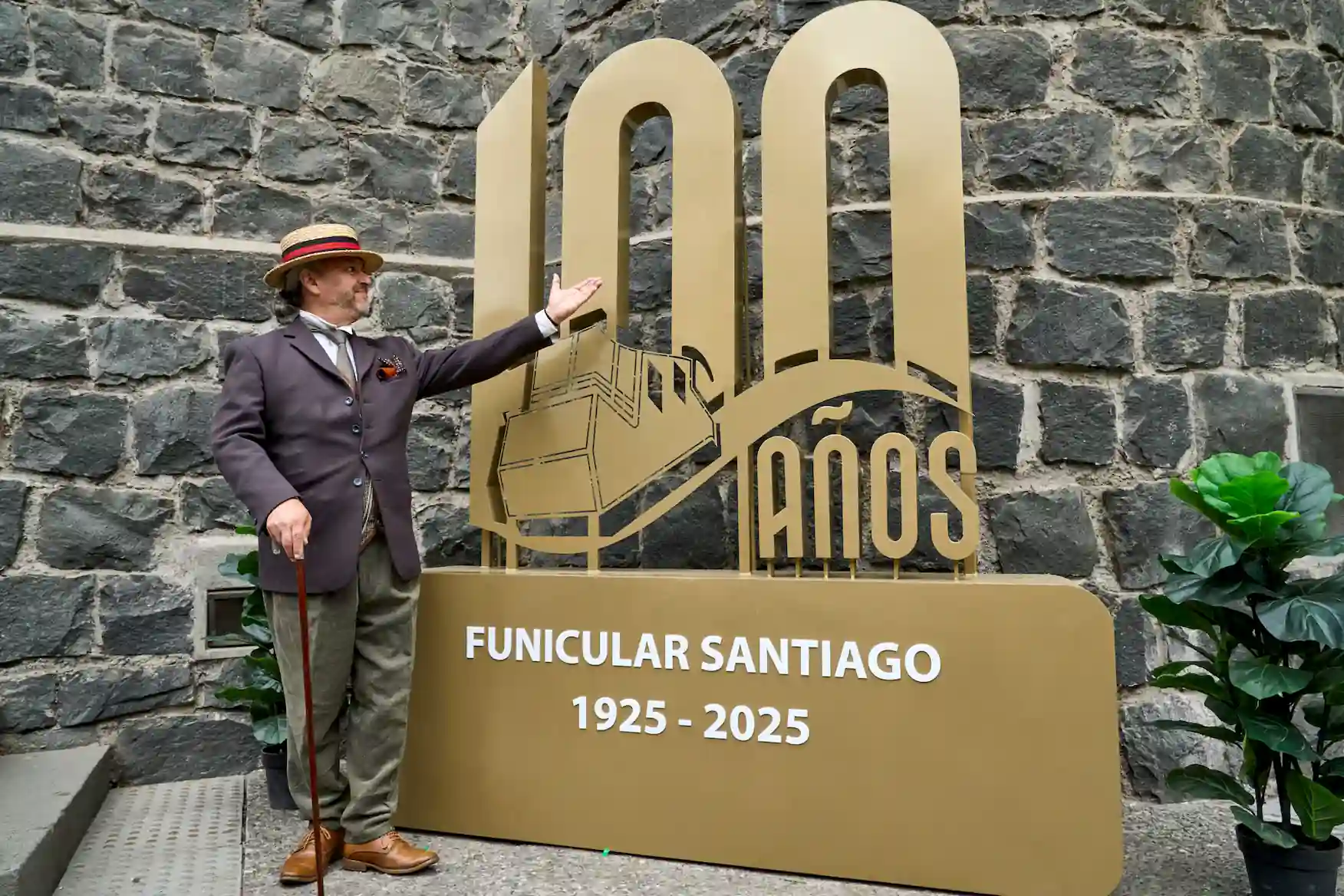
Talking about Funicular Santiago means talking about a fundamental part of the capital's history. Since it opened in 1925, this iconic mode of transportation has carried millions of visitors up to Cerro San Cristóbal, becoming one of Santiago's most recognized symbols and an important part of Chile's heritage.
Today, a century after it began operating, the Funicular continues to offer a unique experience that combines engineering, history, architecture and nature, keeping alive the legacy of one of Parque Metropolitano's most important works.
A project that transformed access to Cerro San Cristóbal
In the early 20th century, Cerro San Cristóbal was starting to establish itself as a recreational space for Santiago residents. However, reaching the top was a major challenge because of the hill's steep slope.
With the goal of making it easier for thousands of people to get there, the Funicular Santiago project was born, an innovative feat of engineering for its time that connected the Pío Nono entrance with the upper part of the hill using a system of cable-driven cars.
Its 1925 opening marked a turning point in the way people visited Cerro San Cristóbal.
An icon of national heritage
Over the years, the Funicular became not just a mode of transportation, but also a symbol of the city.
Its architecture, its cable system and the historic value of its stations led to it being recognized as part of Chile's heritage, becoming one of Parque Metropolitano's main landmarks and one of Santiago's most visited tourist attractions.
In 2000, Funicular Santiago was named a National Historic Monument.
Riding the Funicular is reliving a tradition that has accompanied generations of Santiago residents and visitors from all over the world.
A century connecting history and nature
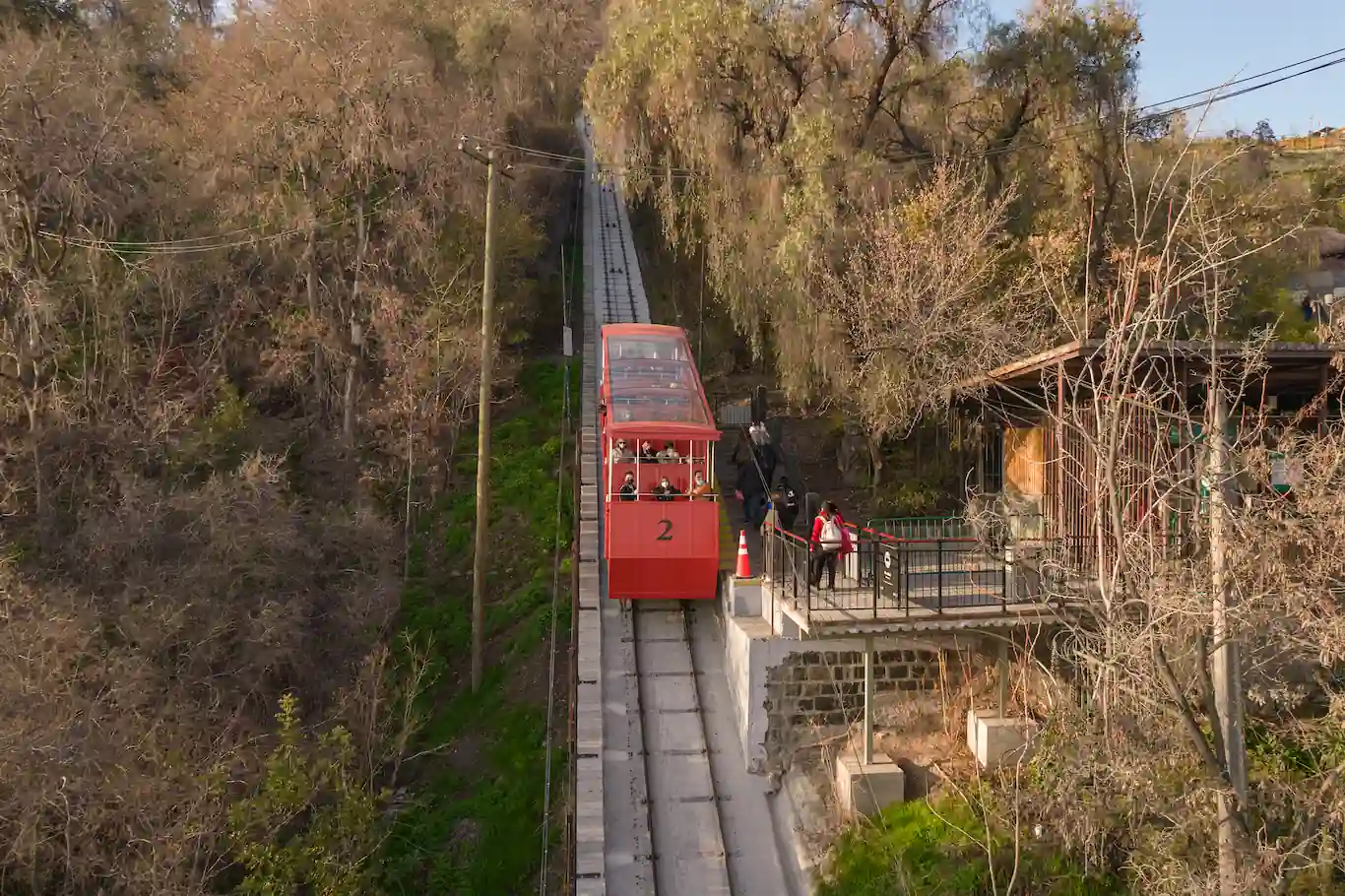
Over more than a hundred years of operation, millions of people have used the Funicular to reach the top of Cerro San Cristóbal.
The ride offers a unique setting as it climbs about 500 meters up the hillside to Estación Cumbre, from where you can visit iconic spots such as the Sanctuary of the Immaculate Conception, Terraza Bellavista and Salón Tudor.
This combination of heritage and nature turns every trip into an experience that goes far beyond transportation.
More than transportation, a heritage experience
Visiting Funicular Santiago means getting to know an important part of the city's history.
Every station, every car and every stretch of the route is part of Parque Metropolitano's heritage and reflects the urban and tourist development Santiago has undergone over the last century.
That's why both Chilean tourists and foreign visitors consider the Funicular a must-stop when exploring Cerro San Cristóbal.
Why is the Funicular still a symbol of Santiago?
There are many reasons why Funicular Santiago continues to be one of the capital's great icons:
- It has more than 100 years of history.
- It's one of Chile's most traditional tourist modes of transportation.
- It's part of Parque Metropolitano's historic heritage.
- It offers a unique experience blending nature and engineering.
- It remains one of the main gateways to Cerro San Cristóbal.
A legacy that keeps Santiago moving
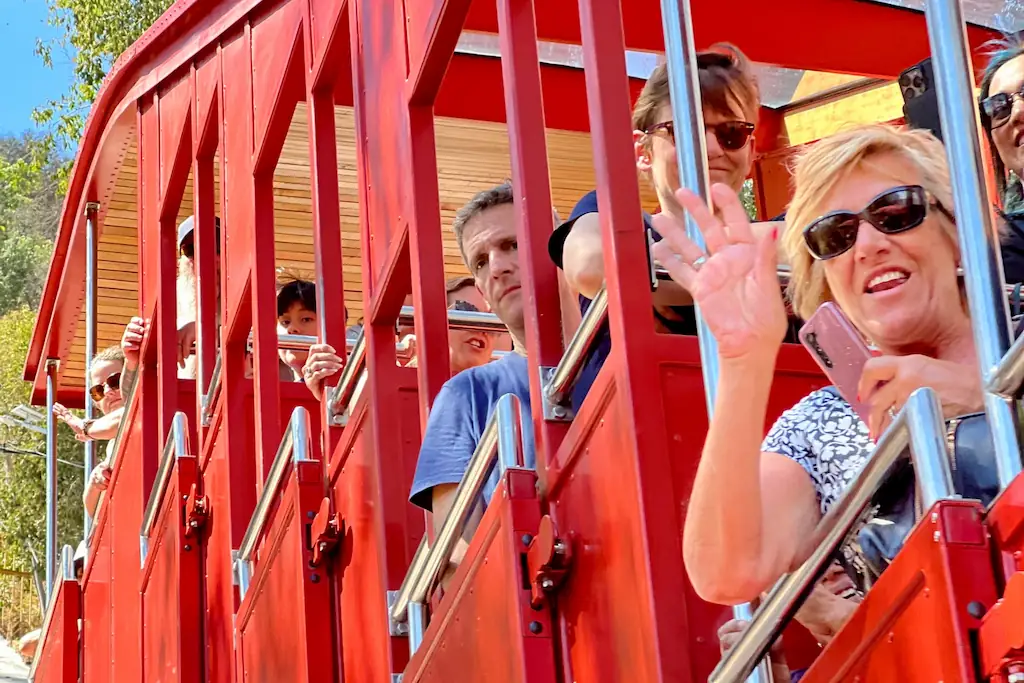
A century after its opening, Funicular Santiago continues to be much more than a mode of transportation. It's a symbol of Chilean heritage, a feat of engineering that has accompanied generations, and an essential experience for anyone wanting to learn the history of Cerro San Cristóbal.
Riding the Funicular means traveling through part of Santiago's memory and discovering how a trip of just a few minutes can connect past, present and future in one of the city's most iconic places.


